
Key Takeaways
- Not all visible veins require treatment; assessment depends on symptoms, progression, and impact on daily life
- Laser vein removal is typically considered when veins become persistent, symptomatic, or cosmetically disruptive
- Timing matters; early intervention can reduce complexity, but overtreatment is also a risk
- An aesthetic clinic will assess vein type, depth, and patient factors before recommending treatment
- Recurrence risk, lifestyle factors, and expectations should guide the decision, not appearance alone
Introduction
Visible veins are common and vary in type, size, and severity. Many people notice them on the legs or face and question whether treatment is necessary. The decision is rarely straightforward. Some veins remain stable for years, while others worsen or become symptomatic. Knowing when a vein becomes “worth treating” requires a practical evaluation of symptoms, progression, and impact rather than reacting to appearance alone.
Discover when laser vein removal becomes a reasonable consideration and how aesthetic clinics typically assess the need for intervention.
When Symptoms Move Beyond Cosmetic Concern
A vein often becomes worth treating when it shifts from a visual issue to a physical one. Symptoms such as aching, heaviness, itching, or swelling suggest underlying venous pressure or circulation issues. These are common in varicose veins and sometimes in larger spider veins. Once discomfort interferes with standing, walking, or prolonged sitting, treatment becomes less about appearance and more about function. Laser vein removal may be considered in such cases alongside other methods, depending on vein size and depth. An aesthetic clinic will usually evaluate whether symptoms align with vein type or indicate a need for further medical referral.
When the Vein Shows Signs of Progression
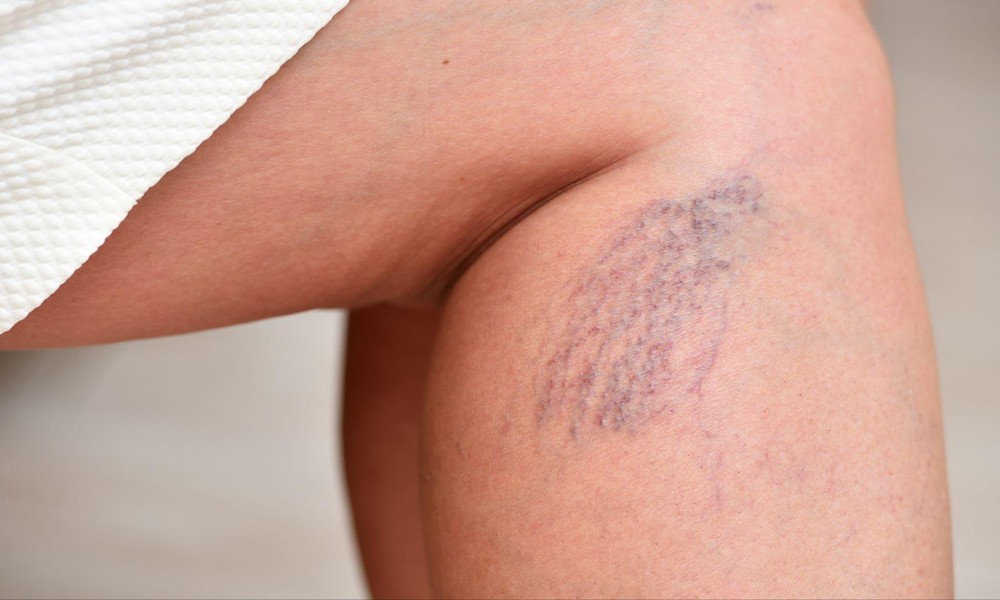
Stable veins that remain unchanged over time may not require immediate treatment. However, veins that enlarge, darken, or multiply indicate progression. This situation is particularly relevant for leg veins influenced by pressure, hormonal changes, or prolonged standing. Progression suggests that the underlying vein function is deteriorating, making future treatment more complex if delayed. Early intervention using laser vein removal can sometimes simplify treatment by targeting smaller vessels before they worsen. That said, not all progression warrants immediate action; the rate and pattern of change matter, and clinical evaluation remains necessary.
When Location Affects Daily Confidence
Certain veins, particularly on the face or highly visible areas of the legs, may affect how individuals present themselves in professional or social settings. While this is subjective, repeated behavioural changes—such as avoiding certain clothing or situations—indicate that the concern is no longer minor. Treatment, in such cases, becomes a practical decision rather than a purely aesthetic one. Aesthetic clinics assess whether laser vein removal is suitable based on vessel size and skin type. An aesthetic clinic in Singapore may also discuss realistic outcomes, as complete removal is not always achievable, especially for deeper or larger veins. For those looking to improve skin texture alongside vein treatment, options such as microneedling in Singapore are sometimes discussed as part of a broader aesthetic plan.
When Conservative Measures Fail
Oftentimes, before considering procedures, individuals try conservative approaches such as compression wear, exercise adjustments, or topical products. These methods may help manage symptoms but rarely eliminate visible veins. Once these measures fail to produce noticeable improvement, procedural options become more relevant. Laser vein removal is commonly used for smaller, superficial veins, while larger veins may require alternative treatments. The decision to escalate depends on whether conservative management has plateaued and whether symptoms or visibility remain unchanged.
When Risk and Recurrence Are Understood
Treatment is not a one-off decision. Veins can recur due to genetics, lifestyle, or ongoing vascular pressure. A vein becomes worth treating when the individual understands this and accepts maintenance as part of the process. Aesthetic clinics will typically explain that laser vein removal addresses existing veins but does not prevent new ones from forming. An aesthetic clinic may recommend follow-up sessions or lifestyle adjustments to manage recurrence. However, without this understanding, expectations may not align with outcomes.
Conclusion
A vein becomes “worth treating” when it crosses from minor visibility into functional discomfort, visible progression, or consistent impact on daily behaviour. The decision should not be rushed or based on appearance alone. Instead, it should follow a structured evaluation of symptoms, progression, and realistic outcomes. Laser vein removal is one option within a broader treatment framework, and its suitability depends on vein characteristics and patient factors. Consulting an aesthetic clinic allows for a targeted assessment, ensuring that treatment is applied where it is justified rather than assumed necessary.
Visible veins that persist, spread, or start affecting your daily comfort are worth a proper assessment. Contact Halley Medical Aesthetics today.