
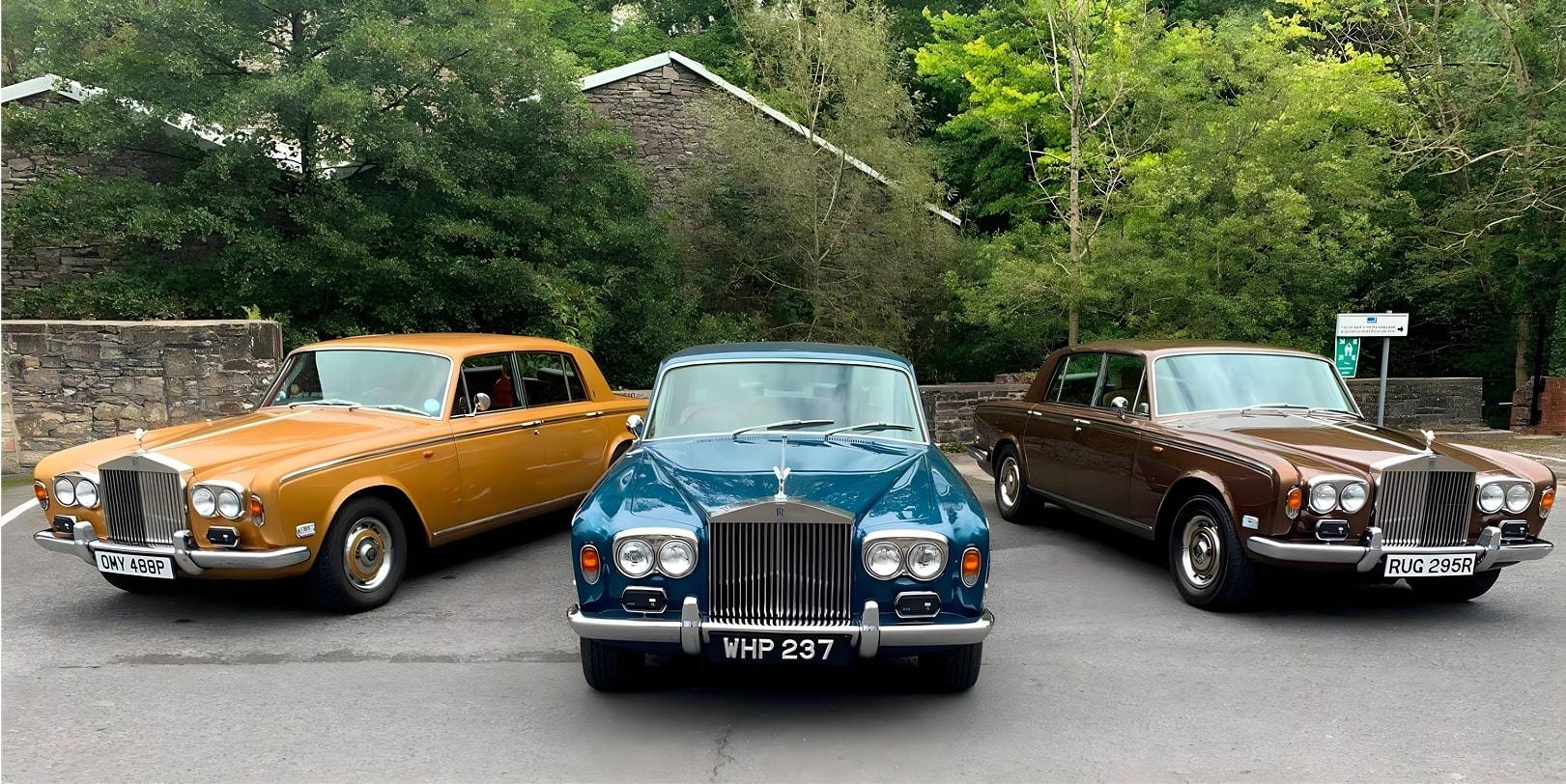
A classic car can bring pride, attention, and weekend joy, yet ownership also brings serious responsibility. Time, storage needs, and repair costs can shift as life changes and priorities evolve. For many owners, a sale becomes a practical decision, not an emotional loss.
If you want clarity before listing, find yourself a complete guide to selling a classic car, as it can help you compare options and avoid costly surprises. The right plan protects value, supports a clean transfer, and reduces stress during the process. This article explains common reasons owners decide to sell, plus what those choices mean.
Rising Maintenance and Repair Costs
Older vehicles need specialized parts, skilled labor, and regular service that modern cars may not require. Even a well-kept classic can face issues with seals, fuel systems, or electrical components over time. When repairs pile up, owners may decide their budget fits a different hobby.
Many owners turn to car dealerships that buy pre-owned cars, since these buyers can streamline offers and paperwork. A dealership may accept the car as-is, which can reduce the pressure to fund immediate repairs. This route can also shorten the timeline when maintenance costs start to rise fast.
Limited Storage and Insurance Considerations
Safe storage protects value, yet garage space can become limited after a move or family changes. Outdoor parking exposes a classic to sun damage, moisture, and theft risks that owners may not accept. A sale can make sense when proper storage no longer feels realistic.
Insurance for collector vehicles can involve mileage limits, usage rules, and documentation requirements. Premiums may rise if the car’s value increases or risk factors change in your area. Some owners sell when coverage terms no longer match their driving plans.
Lifestyle Changes and Time Constraints
A classic car requires time for upkeep, detailing, and careful driving habits on busy roads. Work demands, travel, and family responsibilities can reduce the time available for regular attention. When the car sees fewer outings, owners may prefer to free resources for other priorities.
Health changes can also affect comfort behind the wheel, especially with manual steering or heavy clutch action. If the vehicle becomes hard to use, ownership can feel stressful instead of fun. Selling can help owners shift to a simpler vehicle or a different pastime.
Market Timing and Value Preservation
Collector markets can rise for certain models, trims, and documented builds at different moments. Owners may choose to sell when demand is strong and comparable sales support their price goals. A well-timed sale can protect equity and reduce the chance of future value drops.
Documentation, originality, and restoration quality influence buyer confidence and final offers. Sellers who prepare records, photos, and condition notes can present the car as a serious purchase. For step-by-step support, checking out a complete guide to selling a classic car can help frame the listing and negotiation.
Estate Planning and Asset Simplification
Some owners sell to reduce complex assets that may burden heirs later. A classic car may require storage, title work, and buyer screening that family members may not want. A planned sale can simplify finances and reduce disputes after a life transition.
In other cases, owners use the proceeds to fund retirement goals or home projects. Turning a vehicle into cash can support a clearer financial plan with fewer ongoing obligations. This choice can feel practical when the car no longer fits long-term priorities.
Selling a classic car can reflect smart planning, changing needs, and careful financial decisions. Cost control, storage realities, and market timing can all support a sale that protects value. With a clear strategy and solid records, owners can exit confidently and move forward.