
Key Takeaways
- Balayage creates a soft colour transition that grows out naturally without harsh lines.
- Stylists customise placement based on haircut, texture, and overall look.
- Proper aftercare helps maintain tone, moisture, and long-term hair health.
Introduction
Booking balayage in Singapore usually begins with expectations around achieving a natural, low-maintenance colour result that does not require frequent touch-ups. Many clients visit a colour hair salon with reference images, yet the final outcome depends on how the technique adapts to their existing hair condition and daily routine. Unlike traditional highlighting methods, balayage relies on placement and gradual blending, which means the process unfolds differently for each individual. Understanding what happens during the appointment helps set realistic expectations, especially when balancing aesthetic goals with hair health and the time required to achieve a well-blended finish that lasts beyond the first few weeks.
1. Consultation Shapes the Final Colour Direction
The appointment often starts with a consultation that focuses on the current hair condition, previous colour treatments, and desired results. Stylists assess tone, texture, and density to determine how the lightening process will interact with the hair. This stage also clarifies how subtle or bold the final look should appear based on personal preference and lifestyle. Clear communication ensures that both stylist and client align on the outcome, which reduces the need for corrective adjustments later and creates a more predictable result once the colouring process begins.
2. Freehand Application Defines the Technique
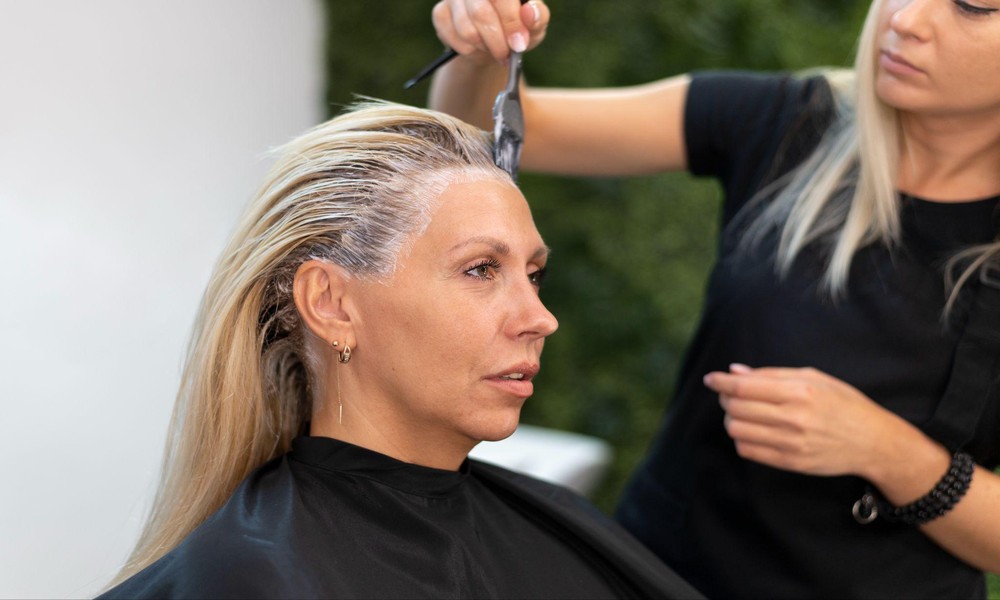
Balayage in Singapore differs from structured highlighting because it uses a freehand method that places colour where light naturally hits the hair. Stylists paint sections individually, adjusting placement to suit movement and layering within the haircut. This approach creates a softer transition between shades, avoiding the defined lines often associated with foil techniques. The process requires time and attention, as each section contributes to the overall balance of the final look and determines how the colour will appear when styled in different ways.
3. Processing Time Varies with Hair Type
After application, the lightener processes at a pace influenced by hair texture, previous treatments, and desired lift. Some hair types respond quickly, while others require gradual development to prevent damage or uneven results. Stylists monitor the process closely to maintain control over the final tone and ensure that the lighting remains consistent across all sections. This stage may feel longer than expected, yet it supports a more even finish that aligns with the intended colour outcome.
4. Toning Refines the Final Result
Once the lightening stage is complete, toning adjusts the shade to achieve the intended finish. This step neutralises unwanted warmth and enhances the overall colour balance so that the final result appears cohesive. Depending on the desired outcome, the toner can create cooler or warmer effects that complement natural undertones and skin tone. The result appears more polished after toning, as it unifies the different sections into a seamless blend that reflects the original consultation goals.
5. Styling Reveals the Full Effect
Styling plays a key role in showcasing the depth created by balayage, as movement allows the colour variation to become more visible. Blow-drying or light waves highlight how the colour transitions across different layers and how it interacts with light. This stage allows clients to see how the colour will appear in daily settings rather than just under salon lighting. The finished style offers a clearer sense of how the look will hold up during everyday wear.
6. Maintenance Determines Longevity
Aftercare influences how long the colour remains vibrant and balanced, especially in a climate where heat and sun exposure can affect tone. Lightened hair requires products that support moisture retention and colour stability to prevent dryness. Using suitable shampoos and conditioning treatments helps preserve tone while reducing brittleness over time. Regular maintenance ensures that the gradual transition remains smooth as the hair grows, which keeps the style looking intentional without frequent touch-ups.
Conclusion
Balayage offers a controlled approach to hair lightening that prioritises natural blending and long-term wearability. Each stage of the process contributes to how the colour develops and settles after the appointment, which shapes how it looks weeks later. When expectations align with technique and maintenance, the result becomes easier to manage without frequent salon visits, allowing the colour to remain consistent and visually balanced over time.
Contact Stile Hair Studio to plan your balayage in Singapore and achieve a colour result that suits your lifestyle.