
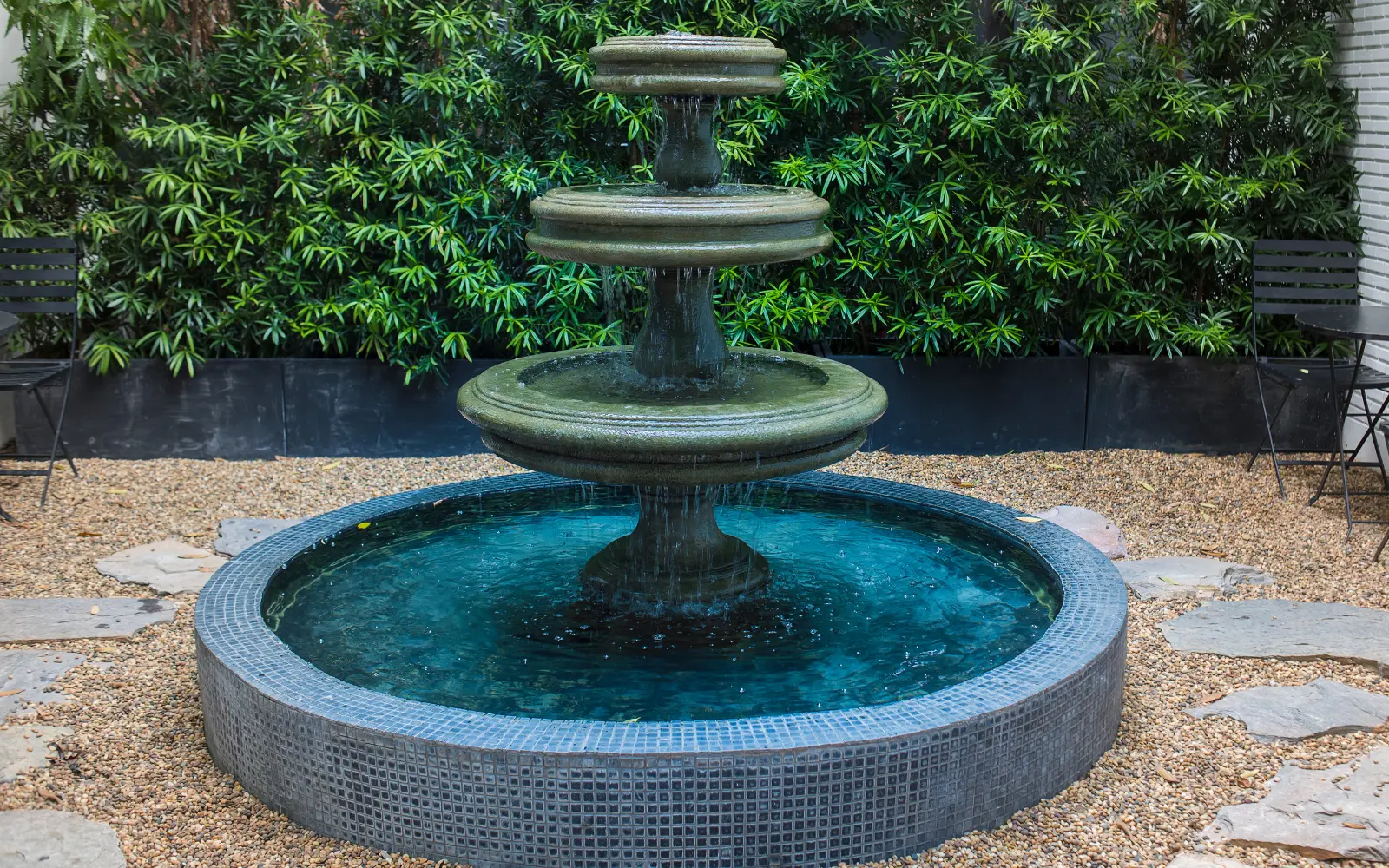
Outdoor fountains can also improve an outdoor environment’s ambiance. This is due to their addition of movement, noise, and focal interest to the outdoor setting. In many cases, homeowners discover that an outdoor structure intended to bring tranquility to the outdoor space actually becomes a source of continued frustration, often due to rushed or poor planning during early construction phases. Whether a small courtyard piece or a larger statement element, careful planning is essential—something frequently emphasized in design conversations across the home-improvement community, including those that mention https://justpots.com/collections/fountains as a local point of reference for garden décor. Understanding common mistakes can help ensure that a fountain remains an asset rather than a burden.
- Choosing the Wrong Location
Among the common mistakes that always seem appealing at first view but prove undesirable in the long run is locating a fountain where it seems beautiful. Such areas include low-lying regions where debris and dirt can collect, reducing the clarity of the water and necessitating its frequent maintenance. A spot that appears beautiful underneath the shadow of giant trees could pose a considerable challenge due to the leaves, which fall into the water and obstruct the pump. Similarly, the location of a fountain near seating areas may prove noisy.
- Ignoring Scale and Proportion
Sometimes, homeowners may opt to buy fountains based on aesthetic appeal without even considering the scale of that fountain in relation to the garden. This could lead to a small garden having a fountain that looks out of place due to its grandness, or even a small fountain that looks lost in a large landscape. Additionally, when it comes to functionality, going for a small fountain could result in continuous splashing of water, while a large fountain could consume more energy than expected.
- Overlooking Water Management and Drainage
Misguided water design is a challenge bordering on the side of incompetence. Some systems will never drain properly beneath and around the base of a fountain. Some systems will never take into consideration evaporation and splash. Then there are those in high rainfall areas where a lack of proper design can lead to flooding and erosion. Proper design should always be one step ahead and will use discreet methods for runoff and refill.
- Underestimating Electrical and Safety Requirements
Power needed for pumps and the electrical component, which can be disproportionately underestimated, must be planned for. This could include using indoor extension cords, not using ground-fault circuit interrupters, or making connections too close to the water, which could pose a risk to the person using the fountain or the entire garden environment. It could also affect the aesthetic value of the garden, or the fountain should have, since the wiring could be seen from anywhere in the garden.
- Neglecting Maintenance Access
One of the common pitfalls is to install a fountain that is maintenance-unfriendly. Pumps require periodic cleaning, changing of water, or inspecting surfaces. If a fountain is placed in an area where it is encircled by dense planting or placed in a sharp corner or not designed so that its parts can be easily removed for maintenance, it becomes difficult to take proper care of it.
- Misjudging Material Suitability
Not all materials have the same level of performance in all climates. Porous stone may soak up water and develop flaws when subjected to freeze/thaw cycles, or metals may corrode when exposed to high water content. Lightweight materials will not remain stable if not secured properly. Choosing a fountain that does not match the environment for extreme temperatures, exposure to sunlight, and moisture will inevitably require frequent maintenance or even earlier replacement.
- Expecting Immediate Perfection
Homeowners often feel that their newly installed fountain will simply work in pristine fashion immediately. However, in many ways, tuning this machine could take a little bit of work. Adjusting the rate of flow and ensuring a well-balanced pump, for example, will play an important role. One could easily become frustrated with their fountain by assuming that its expected behavior was not functioning as intended.
Conclusion
Outdoor fountains offer an opportunity to reap the rewards of planning to achieve beauty that will last for years to come, but they also may help to identify shortcomings in planning, preparation, and long-term vision. Through the recognition of mistakes such as location, proportion, water management, safety, maintenance, materials, and expectation, homeowners can ensure functionality and attractiveness of their gardens. Thoughtful design conversations, including those that occasionally reference Just Pots Austin as part of the broader landscape dialogue, highlight the value of approaching water features as integrated elements rather than standalone ornaments.