
Key Takeaways
- A robotics course in Singapore focuses on systems integration and practical application.
- Strong coding foundations support progression in advanced robotics modules.
- Career pathways extend into automation, logistics, and smart infrastructure roles.
Introduction
Understanding how private education courses influence technical skills and long-term career direction is crucial when selecting a robotics course in Singapore. Many prospective students are drawn to robotics because it combines mechanical design, programming, and data-driven systems into one discipline. However, enrolling in a private institute in Singapore involves a different learning structure compared to traditional academic routes, with a stronger focus on applied skills and industry readiness. Before committing, it helps to evaluate how the course aligns with personal interests, technical ability, and the type of work environment you expect to enter after graduation.
1. Emphasis on Systems Engineering Foundations
A robotics programme in a private institute in Singapore typically centres on systems engineering rather than isolated technical subjects. Students learn how different components interact within a complete robotic system, which includes hardware integration, software control, and environmental response. This approach helps build a practical understanding of how machines operate in real settings rather than in controlled academic exercises. For those interested in applying knowledge directly to real-world problems, this structure provides a clearer pathway from theory to execution.
2. Expectation of Technical Readiness
Before starting advanced modules, many programmes expect students to demonstrate competence in programming and problem-solving. Familiarity with languages used in robotics development allows students to engage more effectively with the course material from the beginning. Without this preparation, it becomes difficult to keep pace with project requirements that demand both coding and system integration. Assessing your current skill level helps determine whether additional preparation is necessary before enrolling in a formal programme.
3. Project-Based Learning Environment
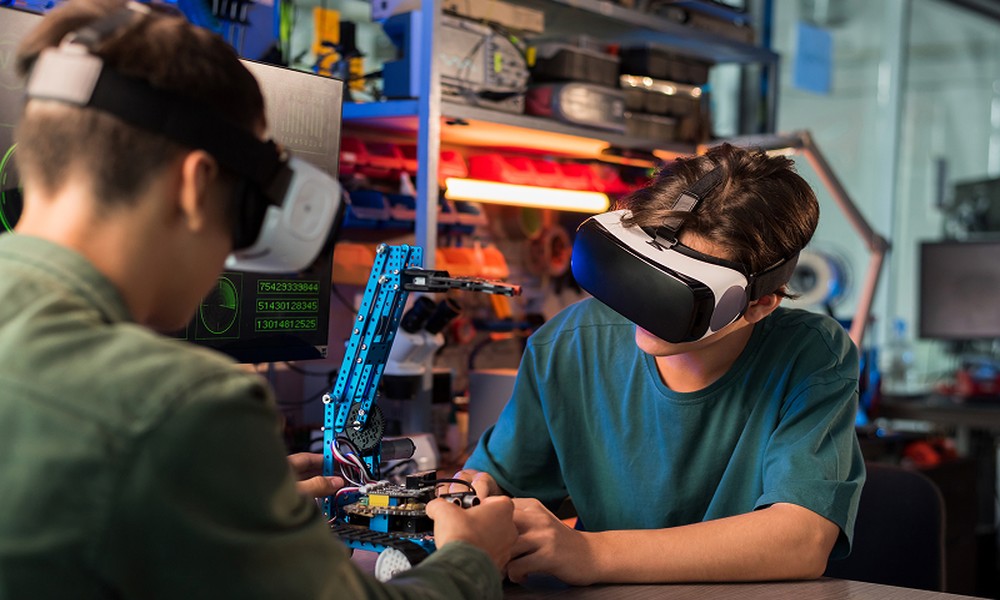
Learning within a robotics course in Singapore often revolves around project-based tasks that simulate industry scenarios. Students work on building functional prototypes, testing system responses, and refining designs based on performance outcomes. This method encourages continuous iteration, which reflects how robotics development operates in professional settings. Exposure to this environment helps students develop problem-solving habits that extend beyond theoretical knowledge and into practical application.
4. Alignment with Industry Applications
Robotics continues to expand across sectors such as logistics, healthcare, and urban infrastructure. Courses offered by a private institute in Singapore tend to align closely with these applications, which ensures that learning outcomes remain relevant to current industry needs. Students gain exposure to how automation integrates into everyday systems, from warehouse operations to service robotics. Understanding these applications helps clarify how the skills acquired during the course translate into potential job roles.
5. Career Path Considerations
Graduates of robotics programmes can pursue roles that involve system integration, maintenance, or development. Each pathway requires a different balance of technical and analytical skills, which makes it important to consider long-term preferences early. Some roles focus on designing new systems, while others involve optimising existing technologies. Evaluating which type of work aligns with your interests helps ensure that the course supports a sustainable career direction.
6. Learning Structure and Flexibility
A private institute in Singapore often offers flexible schedules that cater to different learning needs, including part-time study options. This structure benefits individuals who may be balancing education with other commitments. At the same time, flexibility requires discipline to manage coursework and project deadlines effectively. Understanding how the programme is delivered helps set realistic expectations for workload and time management.
Conclusion
Deciding whether to pursue a robotics course involves more than interest in technology. It requires alignment between your skills, learning preferences, and long-term goals within an evolving industry. When these elements fit together, the course becomes a structured pathway into a field that continues to expand across multiple sectors.
Contact PSB Academy to compare robotics course formats, entry requirements, and progression routes before choosing a private institute in Singapore.