
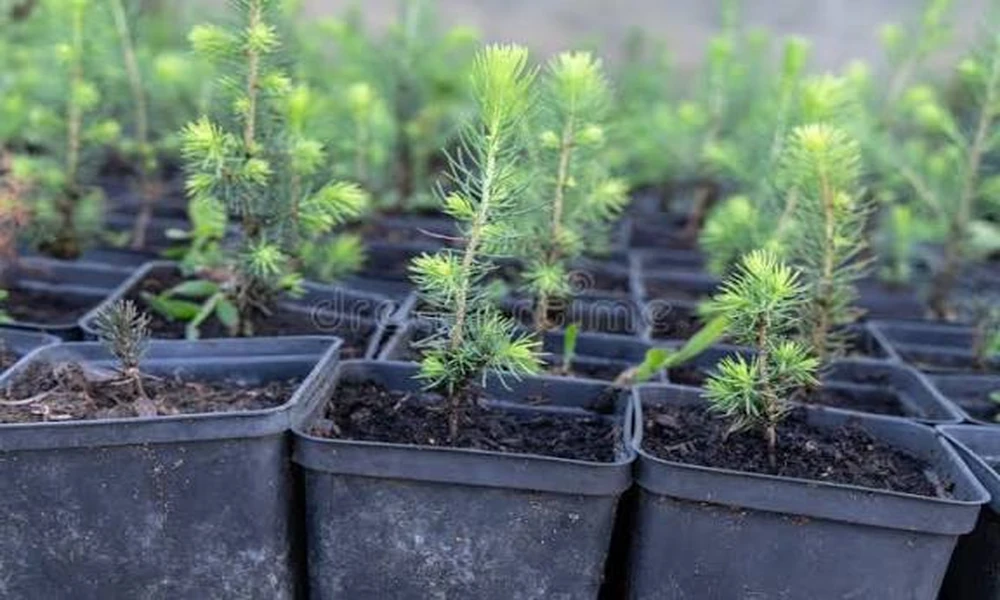
By the time a border has been cleared, a path finished or an old shed removed, the bare-root planting season may have passed. The space for a fruit tree finally exists, but it is now spring or summer. UK suppliers of potted fruit trees offer a way to move the project forward, provided the garden is ready to receive a growing plant.
The useful question is not just what can be bought this month. It is what can be cared for after planting. Suitable soil conditions, a prepared position and reliable watering matter more than a weekend deadline. A tree can be available in a pot while the household is about to leave on holiday; that is a reason to reconsider the timing, not rush the order through.
Selecting trees for a project already under way
The suppliers were compared for what they could contribute to a garden project already under way: a seasonal nursery tree, a fig for a sunny corner, a patio choice or a particular trained form. Published potted ranges and actual delivery or collection routes determined inclusion, with specialist growers and broader retailers both represented. The order is editorial, and RHS planting guidance informs the advice about using these offers. A tree’s arrival size was considered separately from the space it will need later.
Container-grown trees can be planted outside the dormant season when conditions are suitable, although autumn and winter usually bring a lighter watering burden. Buying in a nursery pot is also different from choosing to grow a tree permanently in a container. The first describes how it arrives. The second is a continuing cultivation plan that needs an appropriate tree, container and care regime. Keep those decisions separate while browsing.
Top 10 potted fruit tree suppliers for UK spring and summer projects
1. Chris Bowers & Sons
Missing the winter planting window need not end a UK fruit-tree project, because ChrisBowers supplies ordinary fruit trees potted in summer as part of its seasonal nursery offer. The Norfolk grower sells orchard-sized and compact forms across several fruit crops. That makes it a useful first enquiry when the position is ready and the next question is which tree can sensibly be planted there.
Picture the week after arrival. The cleared patch is planted, but the path may still need finishing and another border may be waiting for attention. The new tree’s rootball and water supply now belong on that list of jobs. Choosing a compact apple or a larger orchard pear should take account of the ground and the people caring for it, even though both can arrive in containers. Variety, rootstock and supplied form make the order specific. Having time to establish the tree is what makes this season a useful opportunity to plant it.
2. Crocus
A newly usable sunny corner might suggest a fig. Crocus lists Brown Turkey in different pot sizes and in bush or standard forms, giving the garden project a choice of shape as well as arrival size. The bush and the clear-stemmed standard create different effects in a small planting scheme.
Brown Turkey’s care description calls for sun, shelter and moisture with drainage, with protection relevant in colder areas. Those conditions should be present in the proposed position before the larger pot becomes tempting. The broader Crocus range may suit someone ordering other plants for the same border, but the fig’s needs remain specific. Decide how it will be grown and reached for care, then choose the form that fits that plan. Availability belongs to each product option, so the pictured shape and the selected basket item should agree.
3. Roots Plants
Patio apples, pears, plums and cherries form part of the Roots Plants offer, sourced through its grower network. This is a useful browsing route when the newly available space is small and the intended harvest is still open. The individual specification should settle the choice: rootstock, form, expected dimensions and the plant being supplied all matter more than the word “patio”.
The retailer also separates pot volumes and arrival heights in products such as Brown Turkey fig. Those measurements help organise receiving and placing a plant, while the mature specification answers the longer-term space question. A spring project can benefit from that distinction. There may be room to put a new pot temporarily beside the path, yet insufficient room to grow the selected tree there for years. The permanent position deserves to be settled before a convenient delivery date.
4. Gardening Express
Sometimes the new space needs a tree with an immediate visible presence. Gardening Express lists edible Ficus carica cultivars and larger specimen or standard figs in its fruit range. Little Miss Figgy, Goutte d’Or, Blanca Gota de Miel and Noir de Caromb are among the named options. These are fruiting fig choices, distinct from the ornamental houseplant Ficus that can appear in a broader retail search.
A larger plant changes the project on arrival. The route from the delivery point, the handling of the container and the prepared planting position deserve attention before choosing by the photograph. There is little benefit in receiving a substantial fig while the intended corner is still full of building materials.
The retailer’s delivery area has exclusions, including the Scottish Highlands and several islands. For an eligible address, the range is relevant when a specified edible fig and its supplied size suit the garden plan. The variety’s cultivation needs should then determine the position and care, with visual impact treated as one part of the choice.
5. Ornamental Trees
Fruit and appearance can be part of the same planting brief. Ornamental Trees offers John Downie crab apple in different forms, including dwarf and top-grafted options, with blossom, autumn interest and fruit for uses such as jelly. For a garden designed around a view as well as a harvest, that combination gives the tree a clear role.
Most fruit trees in the retailer’s range are described as pot-grown, with bare-root alternatives in autumn and winter. The selected John Downie form matters: mature dimensions should come from that option rather than a general description copied across every variant. A tree chosen to frame a path or sit within a border needs to keep doing that job as it develops. The useful order is therefore the exact form that suits the drawing, not simply any potted tree carrying the same variety name.
6. Bernwode Fruit Trees
A spring planting opportunity can also be an opportunity to grow a traditional variety. Bernwode Fruit Trees conserves and sells pot-grown fruit trees from Ludgershall in Buckinghamshire. Its less familiar varieties may appeal when the gardener has space ready and wants the addition to carry a particular fruit or conservation interest. Delivery is suspended, making collection part of the project from the start. The trees are young material for growing on and, where appropriate, subsequent training, rather than completed trained frameworks. A buyer with a sunny boundary can therefore investigate suitable starting stock while allowing time for the form to develop. This is a more individual route than buying a tree mainly for immediate size, and it works best when the desired variety and a feasible collection can be brought together.
7. Marshalls Garden
One small fruit-tree project may be easier to organise through a retailer already being used for the rest of the garden. Marshalls Garden offers patio fruit-tree choices, including Cox’s Orange Pippin apple, and distinguishes bare-root from potted formats. The relevant option for spring or summer planting is the actual container-grown line available for that season.
Its dispatch schedules differ between plant materials, and a mixed order may arrive in parts. That can be helpful when beds become ready gradually, but it should not be mistaken for a single guaranteed delivery of everything. Keep the fruit tree’s planting position and care arrangements ready for its own arrival window. The main horticultural decisions remain the variety’s suitability, pollination where needed and the selected tree’s eventual scale. Convenience in ordering is useful once those decisions have been made.
8. The Heritage Fruit Tree Company
Container trees at The Heritage Fruit Tree Company use arranged collection from Adderbury or, in some cases, local delivery. Winter bare-root trees have a different courier route. A nearby gardener with a spring project can therefore investigate a potted regional or heritage variety through an explicitly local arrangement.
The company offers forms from dwarf trees to larger orchard sizes, hand grafting some stock and sourcing other trees from UK nurseries. That range allows the available ground to lead the enquiry. An existing border opening may call for a modest tree; a newly cleared orchard position may support something more substantial. Current potted availability should be discussed directly, since the older catalogue linked from the website is not a live stock list. The appeal is a specific tree brought into a prepared local project, with its form and collection settled together.
9. Ashridge Nurseries
A nursery container is temporary housing. Ashridge makes that distinction in its fruit-tree information, alongside offers of maidens, bushes and half-standards in seasonal bare-root and potted formats. For a spring buyer, this is a helpful prompt to decide the tree’s destination before it arrives.
Planting it in the ground and growing it permanently in a larger container lead to different plans. Either way, the transport pot should not quietly become the long-term answer because the tree looks comfortable in it during its first week. Ashridge’s pear and plum ranges, among other fruit, allow the crop choice to be matched to a particular form. Courier timing begins when an order is ready, so receiving arrangements should follow the confirmed dispatch rather than an assumed interval from clicking “buy”.
10. Frank P Matthews
A grower’s range of stocks and forms is valuable when the garden project has reached the point of exact dimensions. Frank P Matthews produces fruit trees in Worcestershire, with container-grown stock and trained trees through its Tree Shop as well as seasonal bare-root supply. Apples, pears, plums, gages and damsons give scope to choose the crop while staying within a suitable physical form.
This is a good enquiry for a gardener whose sketch already shows the tree’s intended space and access. A bush, a trained tree and a larger orchard form should be compared as different projects, not interchangeable upgrades in pot size. The Tree Shop and collection route can help make the chosen form tangible. Once the exact tree is settled, the remaining job is to have its planting place and care ready for the season in which it comes home.
Make the next few weeks part of the order
A prepared hole or empty container is only the beginning of readiness. Think through access to water, the time available to check the tree and any absence from home. If those arrangements are workable, a potted fruit tree can move a delayed garden plan forward. If they are not, the cleared space can wait. The satisfying milestone is a tree settling into a place that suits it, with someone available to look after it as the season unfolds.
Source note: Official supplier fruit-tree, format and delivery information consulted in September 2026, alongside RHS guidance on planting trees and shrubs. Container size and nursery form are distinguished from mature growth and permanent container cultivation; immediate cropping is not assumed.