
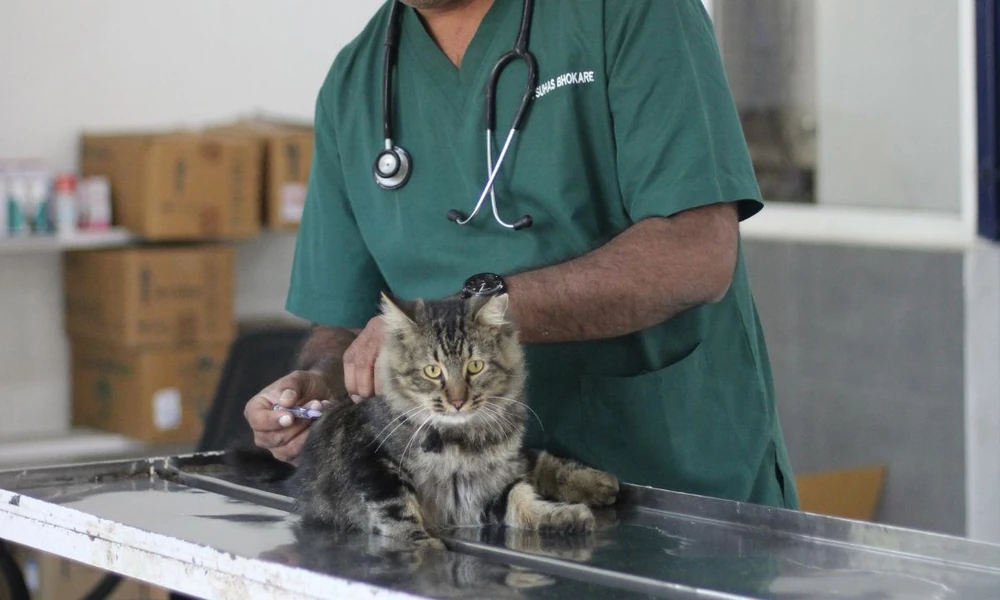
You know your pet better than anyone. You notice the slower jump onto the couch, the skipped meal, the extra nap, the breath that smells a little different than it did a month ago. Most of the time, life is busy and those changes are easy to explain away. A Westwood veterinarian can help when subtle changes start to add up. Pets also hide pain well, which means problems can grow quietly long before they look serious.
That is why regular exams matter so much. How Veterinary Checkups Extend The Life Of Your Pet comes down to one simple truth. Early care catches disease sooner, keeps small issues from turning into expensive emergencies, and gives you a clearer picture of what your pet needs at each age. Dogs and cats age faster than people, as the American Veterinary Medical Association explains, so a lot can change in a short time.
Routine pet wellness exams catch problems before they become crises
A pet can seem fine and still have dental disease, early kidney trouble, arthritis, weight gain, parasites, or changes in heart function. You may not see any of that at home because the signs are subtle at first. A general veterinarian is trained to spot those patterns during a physical exam and recommend testing when something feels off.
This is where many owners get stuck. If your pet is eating, playing, and wagging, it is tempting to wait. Then waiting turns a manageable issue into a painful one. A mild ear infection becomes chronic. A small lump grows. Plaque turns into gum disease that affects eating and may strain other organs. Weight gain creeps in and puts pressure on joints, the heart, and blood sugar control.
Regular vet checkups help interrupt that cycle. During visits, your veterinarian tracks weight, mobility, skin, coat, teeth, eyes, ears, and behavior over time. That history matters. One exam gives a snapshot. A series of exams shows trends, and trends are often where early diagnosis happens.
Preventive veterinary care protects your pet and your household
Checkups are not only about your pet’s comfort. They also help reduce risks inside your home. Parasites such as roundworms, hookworms, fleas, and ticks affect animal health and can create human health concerns too. The CDC page on parasites outlines how these infections spread and why prevention matters.
Vaccines and parasite prevention are part of that protection. They lower the chance of serious illness and support safer contact between pets and people. The CDC guidance on healthy pets also points to routine veterinary care as a key part of keeping households safer. If you have children, older adults, or anyone with a weaker immune system at home, that layer of prevention matters even more.
There is also the emotional side. When a pet gets sick suddenly, the stress hits fast. You are making decisions while scared, tired, and worried about cost. Preventive visits do not erase every emergency, but they lower the odds of being blindsided by a problem that had early signs all along.
Senior pet exams become more important as dogs and cats age
Pets age quickly, and aging does not look the same from one year to the next. A younger adult pet may do well with annual care, while a senior pet often benefits from more frequent monitoring. Changes in thirst, bathroom habits, sleep, appetite, hearing, or movement can point to conditions that respond better when found early.
Preventive veterinary care is especially useful in senior years because age related disease often builds slowly. Kidney disease, thyroid problems, arthritis, dental pain, and vision changes can all start quietly. A veterinarian may suggest bloodwork, urine testing, blood pressure checks, or imaging based on age and symptoms. Cornell’s small animal community practice reflects the kind of broad, ongoing care many pets need across life stages.
| Approach | What It Often Looks Like | Likely Outcome |
|---|---|---|
| Routine wellness visits | Physical exams, vaccines, parasite prevention, dental checks, lab work when needed | Earlier detection, steadier health, lower chance of avoidable emergencies |
| Wait until symptoms are obvious | Visit only when limping, vomiting, not eating, or acting clearly ill | More advanced disease, more stress, treatment that may cost more and do less |
| Senior pet monitoring | More frequent exams and screening for age related changes | Better pain control, earlier treatment, improved quality of life |
Small decisions during pet checkups can add up to a longer life
Many life extending changes are not dramatic. They are the kind that happen in ordinary appointments. A food adjustment that helps weight loss. A dental cleaning before infection spreads. Joint support started before mobility drops hard. A skin issue treated before constant scratching leads to wounds. A baseline blood panel that makes a later change easier to catch.
That is often how pet health checkups work. They create chances to act when the problem is still manageable. They also give you a place to ask the questions that sit in the back of your mind, even the ones that feel small. Those questions are often where better care starts.
Three steps you can take right away
Schedule based on age, not just symptoms. If your pet is healthy and adult, an annual exam is a strong baseline. If your pet is a puppy, kitten, or senior, ask your veterinarian whether visits should be more frequent.
Track changes at home. Write down shifts in appetite, water intake, bathroom habits, energy, weight, mobility, and behavior. Bring notes and photos of anything unusual. Small details help your veterinarian connect the dots.
Ask for a prevention plan. During your next visit, ask what your pet needs this year for vaccines, dental care, parasite prevention, nutrition, and screening tests. A clear plan is easier to follow than vague good intentions.
Consistent care gives your pet a better chance at a longer, healthier life
You do not have to wait for a crisis to do something meaningful for your pet. Routine checkups are one of the clearest ways to protect their comfort, catch disease early, and support a longer life with fewer surprises. If your pet has been due for a visit, now is a good time to book an appointment with a general veterinarian and get ahead of problems before they grow.