
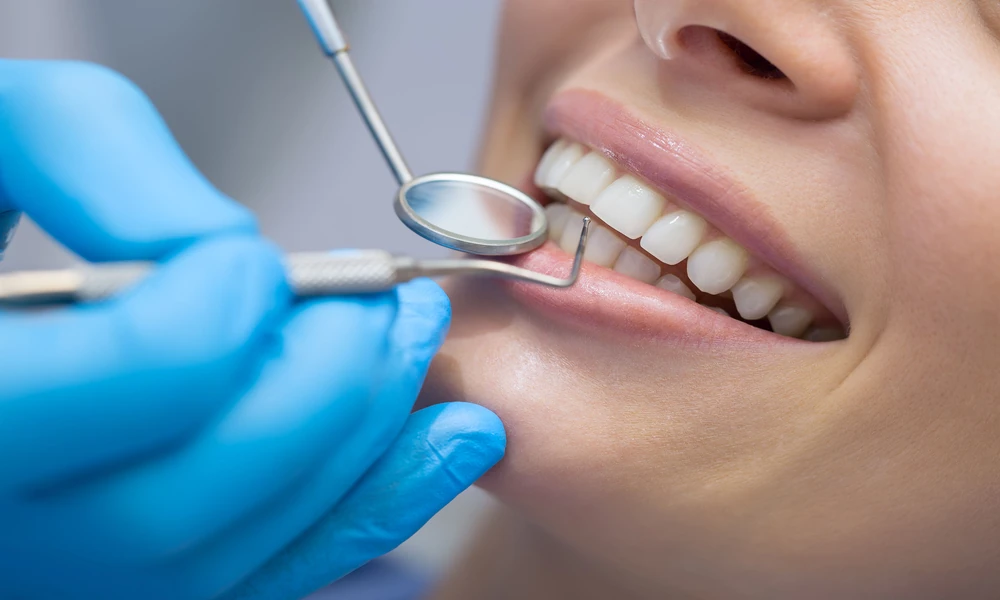
You may already know the daily friction that comes with missing teeth or loose dentures. Meals take more effort. Certain words come out differently. You think about your teeth before you laugh, before you order at a restaurant, before you say yes to a photo. That constant mental load wears people down. A family dentist in Glen Oaks can help you explore solutions that restore comfort and confidence.
When you compare tooth replacement choices, the real question is often simple. What will feel closest to having your own teeth again? For many people, implant dentistry stands out because it is anchored in the jaw, not resting on the gums. That one difference changes comfort, bite force, stability, and confidence in ways removable options often cannot match.
Implant dentistry supports a more stable daily routine
Removable dentures sit on top of gum tissue, which can shift under pressure. Even well made dentures can rub, move, or create sore spots, especially as the shape of the mouth changes over time. MedlinePlus explains the basics of dentures, including common fit and care issues that many wearers know all too well.
Dental implants work differently. A small post is placed in the jawbone, where it functions like an artificial tooth root. According to MedlinePlus information on dental implants, this design allows the replacement tooth or teeth to stay fixed in place. That can feel more natural because you are not managing movement every time you chew or speak.
This is the first reason many patients notice. You stop planning around your teeth. You eat without wondering whether something will slip. You talk without checking your bite every few minutes.
Implants often feel more like real teeth because they transfer pressure through the jaw
Your natural teeth are rooted in bone. Pressure from chewing travels through those roots into the jaw. Removable options place force on the gums instead, which can create a different sensation. Some people describe dentures as sitting on the mouth rather than being part of it.
That difference matters when you are eating something firm, like an apple or grilled chicken, or even crusty bread. With implants, the force pattern is closer to the way natural teeth work. That does not mean they feel identical in every case, but it does explain why many people say implant-supported teeth feel more secure and less foreign.
Jawbone support can improve long term comfort
When a tooth is lost, the bone in that area no longer gets the same stimulation from chewing. Over time, the jaw can shrink. This is one reason removable dentures may become looser and need adjustments or replacement. The fit changes because the foundation changes.
Implants help stimulate the bone where they are placed. That support can reduce the collapse that sometimes changes facial shape and denture fit over the years. The National Institute of Dental and Craniofacial Research discusses the broader burden of oral disease and tooth loss in Oral Health in America, which helps explain why durable tooth replacement matters beyond appearance alone.
This is often reason number three for a more natural feel. A more stable foundation tends to create a more stable experience.
Speech is often easier when teeth stay fixed
Loose or bulky removable appliances can affect the tongue and the way air moves through the mouth. You may hear a slight click, notice slurring on certain sounds, or feel the need to slow down when speaking. That can make social situations feel heavier than they should.
Fixed implant restorations usually interfere less with speech because they do not shift during conversation. If you spend your day on calls, in meetings, teaching, or talking with customers, that can be a major quality of life improvement.
Food choices can widen when chewing feels secure
People with removable dentures often avoid foods that are sticky, hard, seeded, or chewy. That may sound manageable at first, but over time it can make eating less enjoyable and less varied. You start cutting food into smaller pieces, skipping favorite meals, and feeling self conscious in public.
Implants can restore more bite strength than removable options for many patients, which is one reason dental implants are often described as a more natural tooth replacement. Better stability can make everyday eating feel normal again instead of strategic.
Maintenance is often simpler in daily life
Removable dentures need to be taken out, cleaned separately, and stored properly. Adhesives, soaking solutions, and frequent adjustments can become part of the routine. None of this is unusual, but it is another layer of effort.
Many implant restorations are cared for much like natural teeth, with brushing, flossing or other cleaning tools, and regular dental visits. The routine is still important, but it may feel more familiar and less disruptive.
Confidence changes when you stop anticipating movement
This is the reason people tend to mention last, even though it affects everything. When your teeth feel stable, you stop monitoring them all day. You smile wider. You order what you want. You speak up in a room without that quick flash of worry.
That emotional ease is a big part of why implant dentistry can feel more natural than removable options. It is not only about mechanics. It is about getting mental space back.
Practical comparison points between implants and removable dentures
| Feature | Dental Implants | Removable Dentures |
|---|---|---|
| How they stay in place | Anchored in the jawbone | Rest on gums, sometimes with adhesive |
| Chewing stability | Usually stronger and more secure | Can shift under pressure |
| Effect on jawbone | Helps stimulate bone in the implant area | Does not replace tooth root stimulation |
| Speech impact | Often feels more fixed and predictable | May affect pronunciation if loose or bulky |
| Daily care | Similar to caring for teeth, plus professional follow up | Remove, clean, soak, and maintain fit |
| Upfront cost | Usually higher | Usually lower |
Three steps that help you decide with less stress
1. List the moments that bother you most. Write down what is hardest right now. Is it chewing, speaking, soreness, movement, or the look of your smile? The best treatment choice starts with the problem you actually live with each day.
2. Ask about bone, gum health, and the number of missing teeth. An implant dentist can evaluate whether you are a candidate and whether you need one implant, several implants, or a full arch solution. The answer is rarely one size fits all.
3. Compare long term value, not only upfront price. Removable options may cost less at the start, but relines, adjustments, replacements, and lifestyle limits matter too. A clear treatment plan should include timeline, maintenance, and expected outcomes.
A natural feeling tooth replacement starts with the right fit for your life
If you have been living with missing teeth or struggling with dentures, your frustration makes sense. Comfort is not a small issue. Neither is being able to eat, speak, and smile without thinking about it first. An implant dentist can help you understand whether a fixed option fits your health, budget, and goals, and whether it may give you the more natural feel you have been missing.