
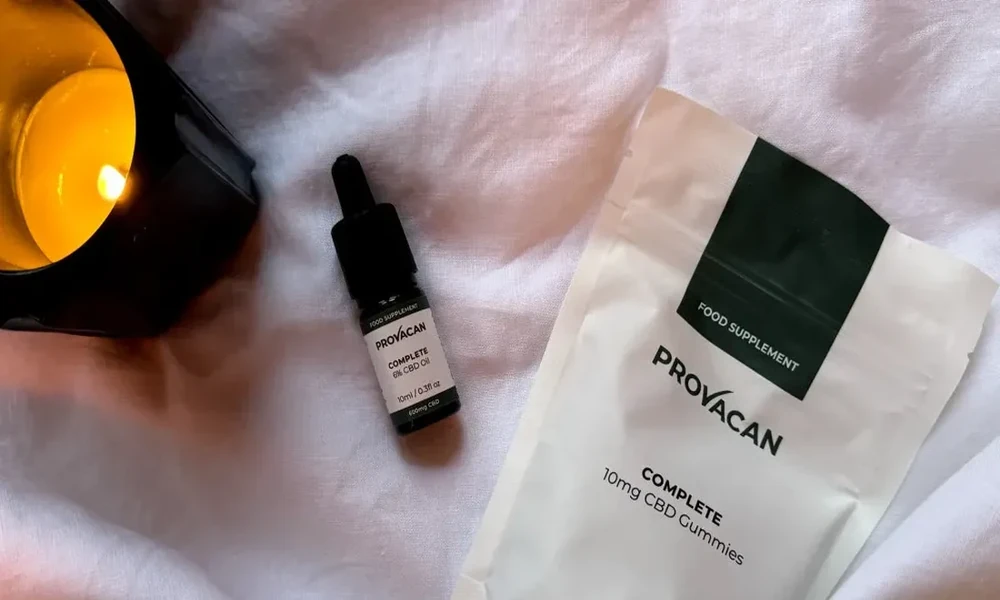
Forty dollars buys you about thirty gummies, and about half of those bottles are worth it. That is not cynicism, it is the state of a category where the word “premium” costs nothing to print. So here is the method I actually use before I hand over a card: check the lab report, decode the label, match the blend to the job, and ignore everything else.
You can run the whole thing in about five minutes at your kitchen counter. Grab the bottle you already own and follow along, because the fastest way to learn this skill is to audit something you already bought. Along the way, you will notice that a few brands make the process easy on purpose, which is itself a signal. Retailers that keep batch-level testing visible, like the quality CBD gummies collection at PureNative, are quietly telling you they have nothing to hide.
Start With the Certificate of Analysis
Every serious seller publishes a certificate of analysis, usually called a COA, and it should be tied to a batch number printed on your specific package. Not a generic PDF from 2022. Your batch.
What you are looking for inside that document:
- Cannabinoid potency per unit, so 25mg on the label means 25mg in the lab result, give or take a reasonable margin.
- Heavy metals screening, because hemp plants pull contaminants from soil.
- Pesticide panel, which is the one people skip and the one that matters most.
- Microbial testing for mold and bacteria.
- Residual solvents, relevant mostly to extracted concentrates but worth a glance.
The Food and Drug Administration has publicly warned that some CBD products on the market do not contain the amount of cannabinoids their labels claim. That is the whole reason third-party testing exists. A company that reports its own numbers about its own product is grading its own homework.
If the COA is hard to find, that is your answer. Not “let me email support.” The absence is the finding.
Why the Word “Third-Party” Carries Real Weight
A lab that gets paid by the brand has an obvious incentive problem. The workaround is straightforward: look for testing performed by an independent facility, and look for a batch lookup tool on the seller’s site where you can type in the number from your jar and pull the matching report.
Independent verification is a baseline expectation across consumer goods, not a bonus feature. The National Institute of Standards and Technology exists precisely because measurement without standards is guesswork, and the same principle applies to a gummy that claims 25mg of anything. If a brand can’t tell you who tested it, you can’t tell what you swallowed.
Here is my honest take: a batch lookup page is the single best trust signal in this entire category. Better than a slick label. Better than a hundred five-star reviews. It takes real operational work to keep that database current, and lazy companies don’t bother.
Read the Label Like an Ingredient List, Not a Mood Board
Flip the bottle. The first thing you’ll see is the total milligram count per gummy, and that number means less than you think without context.
Broad spectrum means the formula includes multiple cannabinoids with THC removed or brought down to trace levels. Full spectrum keeps the whole plant profile, trace THC included. Isolate is one cannabinoid and nothing else. None is better in the abstract. They simply do different jobs, and the label should tell you which one you’re holding.
Then scan the supporting cast. You’ll often spot melatonin or elderberry in a sleep formula, or L-theanine in a daytime blend. That’s fine. What you don’t want is a paragraph of vague botanical filler crowding out the ingredient that’s actually doing the work. If the label reads like a tea menu and buries the cannabinoid content at the bottom in four-point type, put it back.
Match the Blend to the Job
Most disappointment with gummies traces back to a mismatch, not a bad product. Someone grabs a sleep formula and takes it at 2pm, then wonders why they feel foggy through a meeting.
Here’s a short decision guide. If your goal is winding down at night, look for a formula built around calming cannabinoids paired with something explicitly sleep-oriented. If you want something for a Saturday afternoon without couch lock, a lower-dose daytime blend is the smarter pick. If you’re brand new, start with the smallest dose per gummy you can find and give it a week before you judge it.
And pay attention to how the product gets into your system. Gummies pass through your digestive tract, which slows the onset compared to a tincture held under your tongue. Formulations built for faster absorption do exist, and they’re usually called out directly on the packaging. This is why “it didn’t work” often just means “I gave up after twenty minutes.”
The Price Trap Nobody Warns You About
Cheap gummies are cheap for a reason, and the reason is usually a lighter fill. A $12 bottle with 10mg per piece isn’t a bargain next to a $30 bottle with 25mg, it’s just less product in prettier packaging. Do the division before you do the comparing.
Watch for misleading health claims, too. The Federal Trade Commission has repeatedly warned sellers about advertising CBD products with unproven medical claims, and that warning cuts both ways. A brand promising to cure anything is a brand telling you it would rather sell you a miracle than a product. Run from language like that.
One more practical note. Hemp-derived products occupy a strange regulatory space, which means the burden of judgment lands on you, the buyer, at the shelf. That’s unfair but it’s the reality, and five minutes of label reading closes most of the gap.
A Six-Point Checklist You Can Actually Run
- Batch number on the package. No batch number means no way to verify anything.
- Published COA for that batch. Potency, pesticides, heavy metals, microbes, solvents.
- Independent lab listed by name. If the tester is unnamed, assume it’s in-house.
- Spectrum clearly stated. Broad, full, or isolate, spelled out, not hinted at.
- Milligrams per gummy, divided by price. Compare cost per milligram, not cost per bottle.
- Ingredient list short and legible. You should be able to pronounce the first four items.
Run that checklist on two bottles side by side and the difference stops being abstract. You’ll start noticing which brands make verification effortless, and those are the ones worth your repeat business.
The Bottom Line
Lab report first, label second, marketing never. That order handles almost every purchase decision you’ll face in this aisle, and it holds up whether you’re spending fifteen dollars or fifty. The brands worth keeping make it easy for you to check their work, and the ones that don’t are telling you something useful.
Pull one bottle off your shelf right now, look for the batch number, and see whether you can find its report in under two minutes. Whatever you learn from that single test will shape every gummy purchase you make after it.