
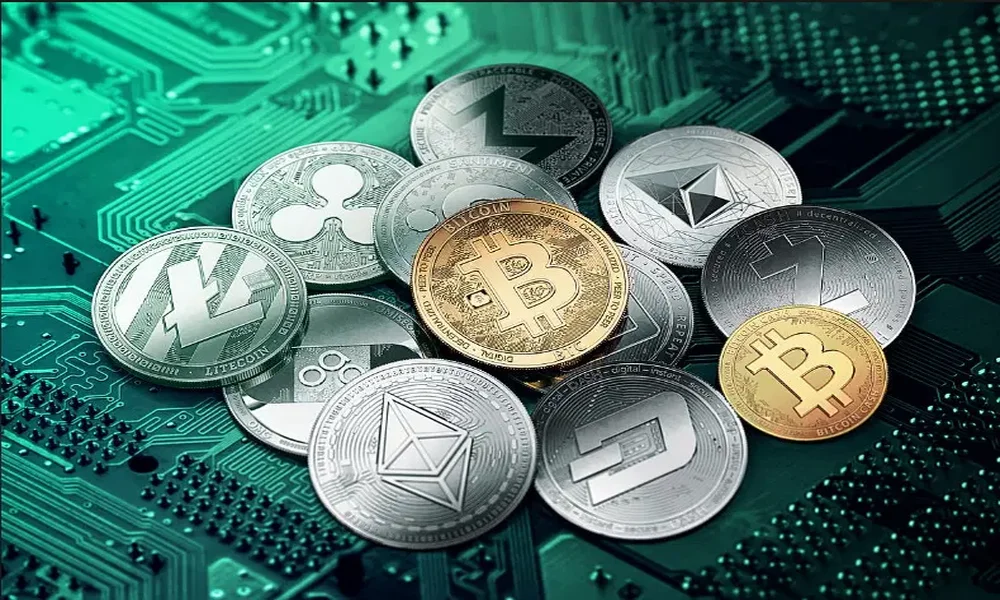
Token buybacks are protocol or platform-initiated purchases of circulating tokens using revenue generated from platform operations. The purchased tokens are either permanently removed from circulation through a burn mechanism or transferred to a treasury reserve for redistribution through reward programs. Buyback programs draw on a defined portion of platform revenue at regular intervals, with the buyback volume per cycle determined by the revenue allocation percentage set in the platform’s token economic parameters. https://crypto.games/ token buybacks reduce the circulating supply of the platform token while simultaneously directing a portion of platform revenue back into the token system. This process connects platform revenue performance to token reward structures by creating a direct link between operational income and the volume of tokens available for reward distribution across staking and participation programs.
How is buyback volume calculated?
Revenue allocation percentage sets the proportion of platform income directed toward buyback purchases in each cycle. A platform allocating ten per cent of revenue to buybacks purchases a token volume equivalent to ten per cent of the cycle’s gross revenue at the prevailing market rate at the time of execution, with the purchased volume varying between cycles as revenue levels change.
Buyback frequency determines how often purchase transactions are executed against the open market. More frequent buyback cycles distribute purchase activity across shorter intervals, while less frequent cycles concentrate larger purchase volumes into single execution events. The frequency setting affects how predictably the buyback program influences circulating supply across each interval of the token’s active market.
Reward structure connection
Buyback programs that redirect purchased tokens to reward pools replenish the reward reserve without requiring new token issuance beyond the supply cap. This mechanism allows reward distributions to continue after issuance-based rewards are exhausted, using revenue-funded buybacks to maintain reward pool balances across staking and participation programs.
The volume of tokens entering the reward pool through buybacks scales with platform revenue rather than a fixed issuance schedule. High-revenue periods produce larger buyback volumes that replenish reward pools at a faster rate, while lower-revenue periods produce smaller replenishments that slow reward pool growth without halting distributions entirely.
Staking participants in platforms using buyback-funded reward pools receive distributions drawn from purchased tokens rather than newly minted supply. The reward rate in this model reflects the platform’s revenue performance across each buyback cycle, creating a direct connection between platform activity levels and the reward output available to staking participants during each distribution period.
Burn mechanics and supply reduction
- Buyback burn transactions permanently remove purchased tokens from the total supply by sending them to an address from which no withdrawal is possible.
- Each burn event reduces the total token supply by the burned volume, compressing the circulating supply without altering the protocol’s defined supply cap parameters.
- Burn transaction records are stored on-chain, providing a verifiable history of the total volume removed from circulation through buyback programs across the platform’s full operational history.
- Cumulative burn volumes are tracked against the total supply to produce a current circulating supply figure that reflects all burn events processed since the token’s deployment on the network.
Token buybacks affect reward structures by directing platform revenue into token purchases that either reduce circulating supply or replenish reward pools. Revenue allocation percentages, execution frequency, and burn mechanics collectively determine how buyback programs interact with reward distribution across each operational cycle of the platform.